What Is IRIS Tube Testing?
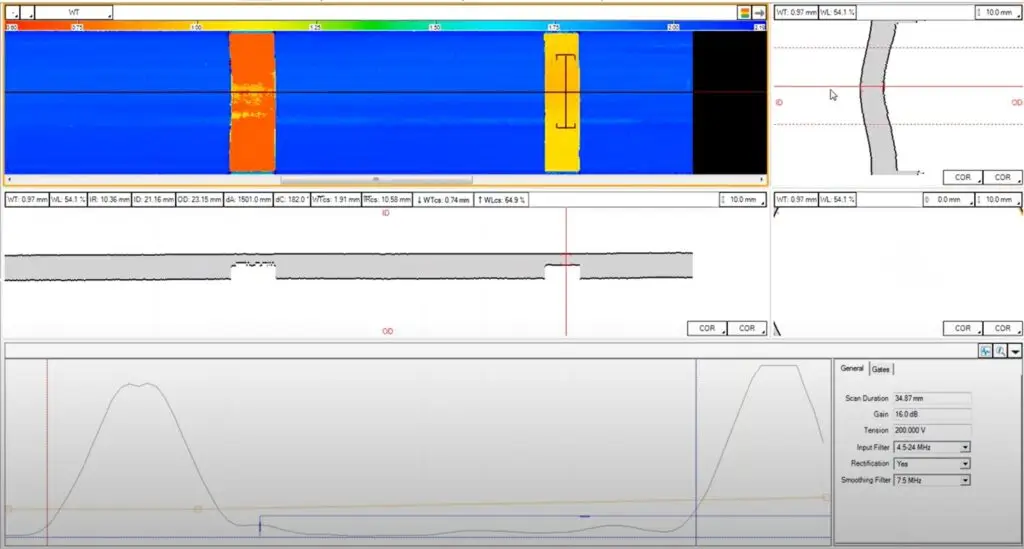
IRIS (Internal Rotary Inspection System) uses a rotating ultrasonic probe inserted into tubes to provide high-resolution, volumetric data—ideal for identifying internal defects and measuring wall thickness. Perfect for heat exchangers, boilers, and similar equipment.
Why Choose IRIS Tube Testing?
Accurate & Comprehensive: Captures detailed internal data, including corrosion and deposit build-up.
Minimal Downtime: Conduct inspections without tube removal or extensive dismantling.
Quantitative Results: Provides precise wall thickness measurements for trend analysis.
Nondestructive & Safe: No damage to assets; safe, efficient testing.
Cost-Effective: Save on maintenance and prevent unexpected failures with early detection.
Typical Applications
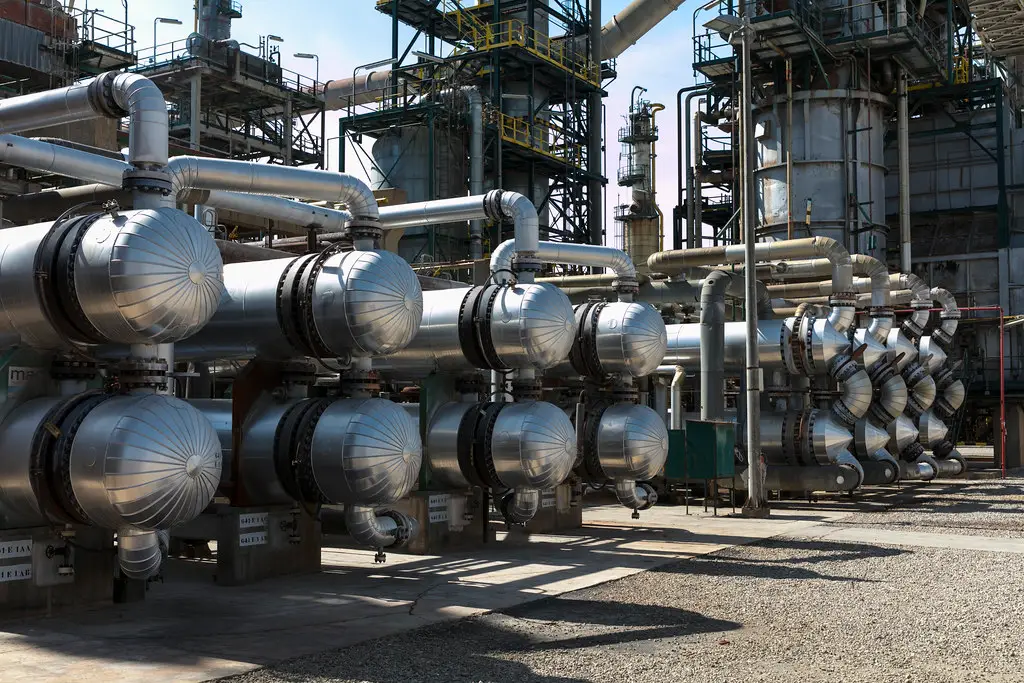
Heat exchanger tubes
Boiler tubes
Condensers and shell-and-tube heat exchangers
Industrial piping systems
Offshore and marine equipment
How It Works – Step-by-Step
Preparation: Isolate and clean the tube, removing scale and deposits.
Probe Insertion: Introduce the rotating ultrasonic probe at one end of the tube.
Data Collection: Capture continuous ultrasonic data while retracting the probe.
Analysis: Identify corrosion, erosion, and wall-loss areas via high-resolution readings.
Reporting: Receive comprehensive reports, including defect location, measurement data, and recommended maintenance actions.
Limitations of IRIS Tube Testing
Requires Clean Tubes – Scale, sludge, or heavy deposits must be removed before testing for accurate results.
Time-Intensive Setup – Cleaning and water filling can add to inspection time compared to some electromagnetic methods.
Water Couplant Needed – IRIS testing requires tubes to be filled with water, which may not suit all environments.
Surface-Only Defects – Very small surface cracks or tight flaws may be better detected using complementary methods like Eddy Current Testing (ECT).
Accessibility – IRIS probes must fit inside the tube; very small diameters or blocked tubes may not be testable.