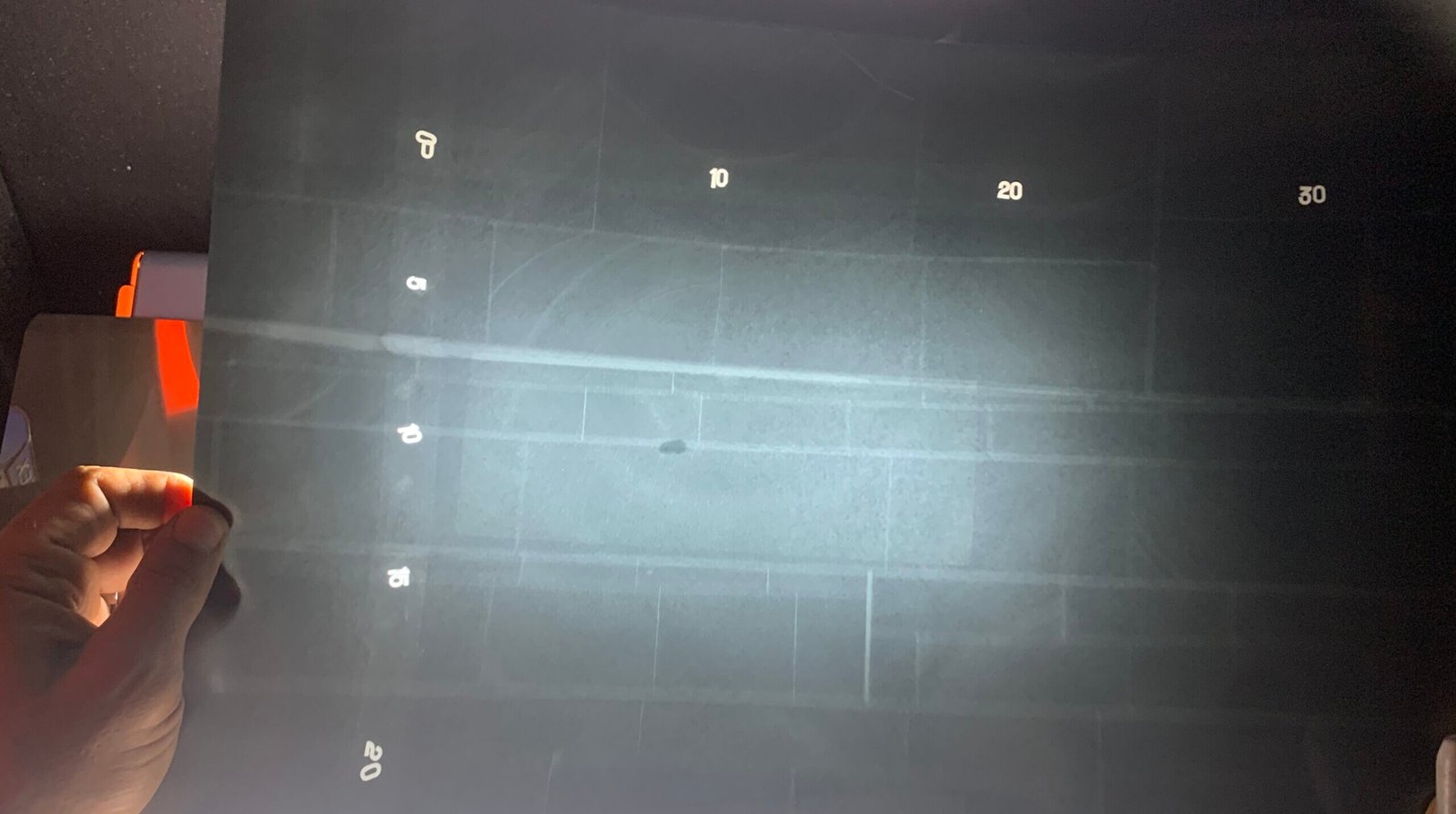
Hidden Damage Revealed: Radiography of a Lightning-Struck Hull
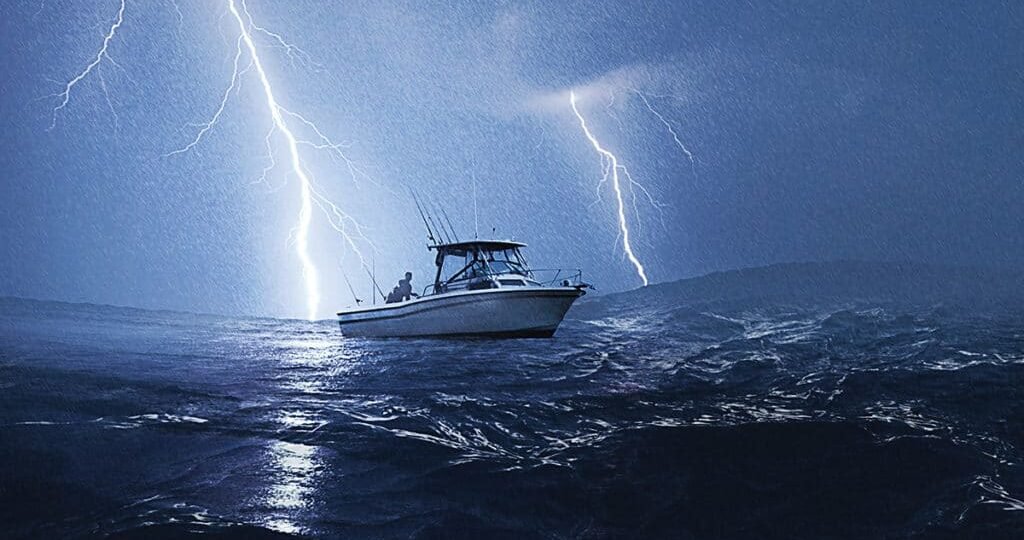
Lightning strikes are dramatic events for any vessel, but Boat Hull Radiography can uncover hidden structural damage beneath the surface. When a yacht or powerboat is hit, visible marks may appear minor. However, cracks, gaps, and delamination can weaken the hull and put both vessel and crew at risk.
Because lightning damage is unpredictable, surface inspections are rarely enough. Therefore, advanced non-destructive testing, such as radiography, is essential to uncover what lies inside the hull.
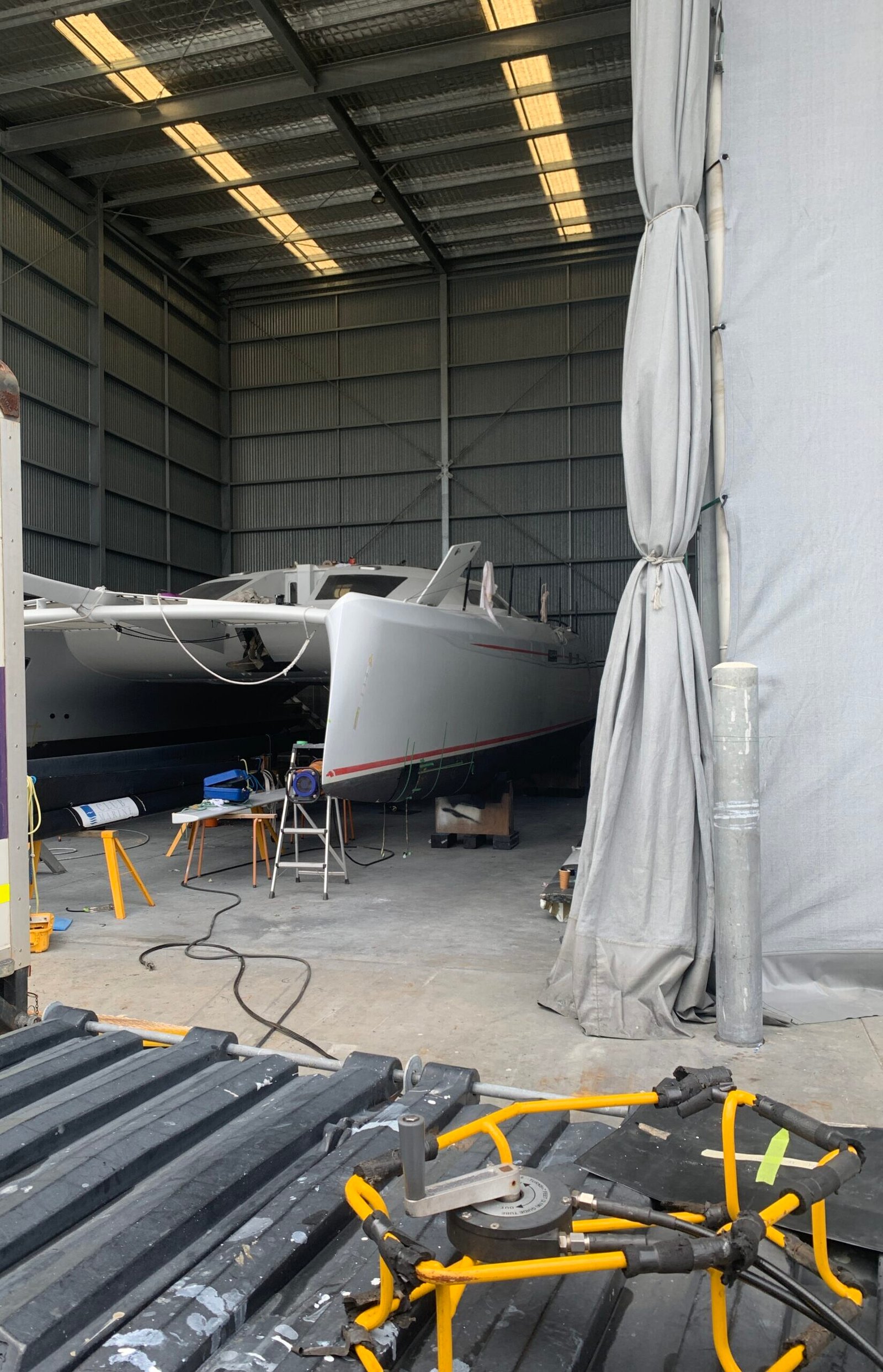
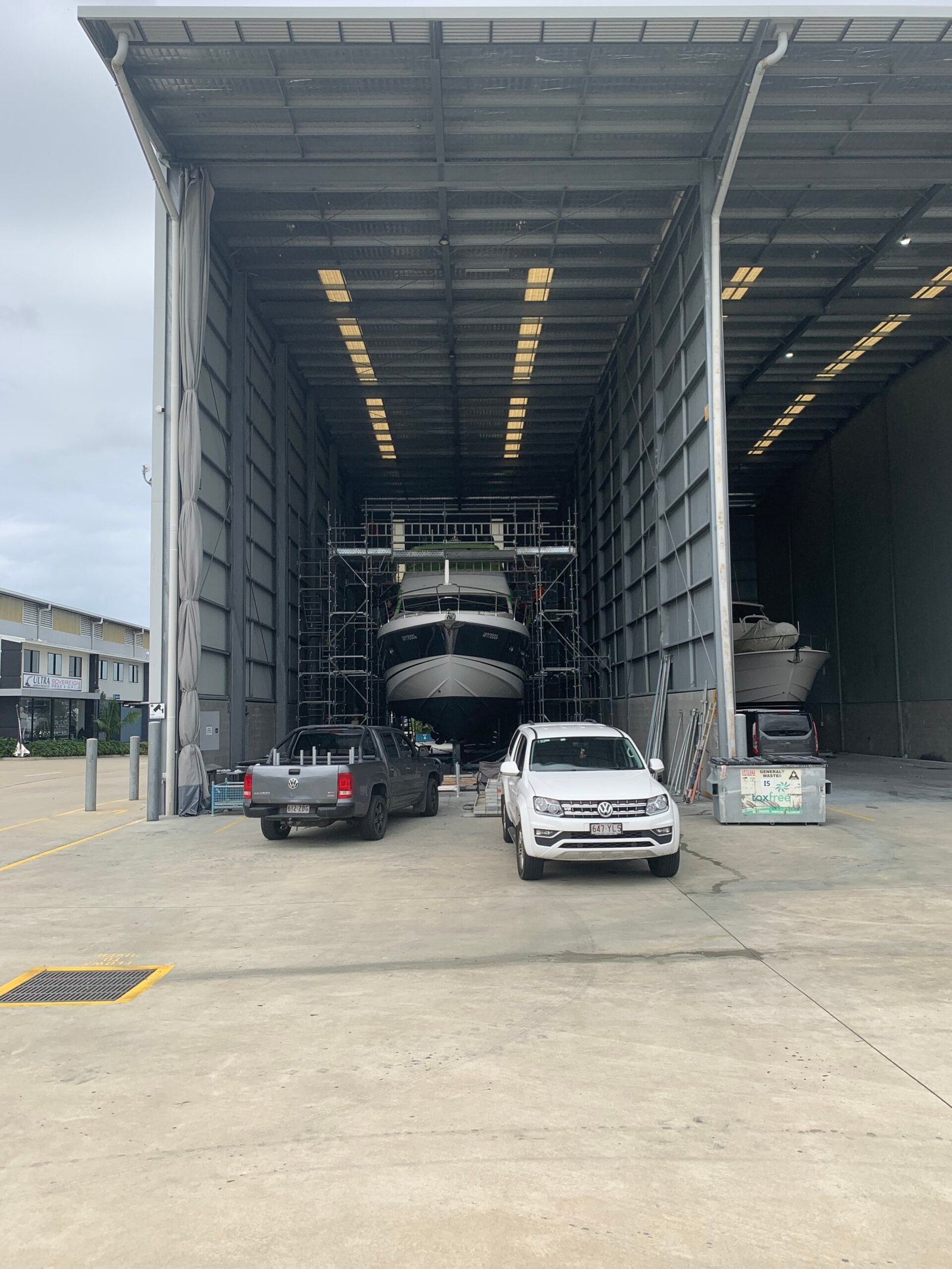
The Challenge of Lightning Damage
A lightning strike delivers extreme heat and energy instantly. As a result, the current may travel through the mast, hull, or fittings, leaving internal defects that are invisible to the naked eye. Even if the surface looks intact, voids or small cracks can compromise the vessel’s strength.
For boat owners, this presents a serious challenge. A vessel may appear seaworthy, but over time, hidden weaknesses can grow and lead to failure.
Why Radiography?
Radiography (industrial X-ray) works by sending X-rays through a material and capturing the result on a detector or digital panel. In other words, it allows inspectors to “see inside” the structure without cutting or damaging it.
Traditional visual checks only detect surface flaws. By contrast, radiography identifies hidden voids, porosity, and cracks deep within the laminate or weld. As a result, it gives a much clearer picture of the hull’s true condition.
Because lightning damage is unpredictable, surface inspections are rarely enough. Learn more about our Digital Radiography Services
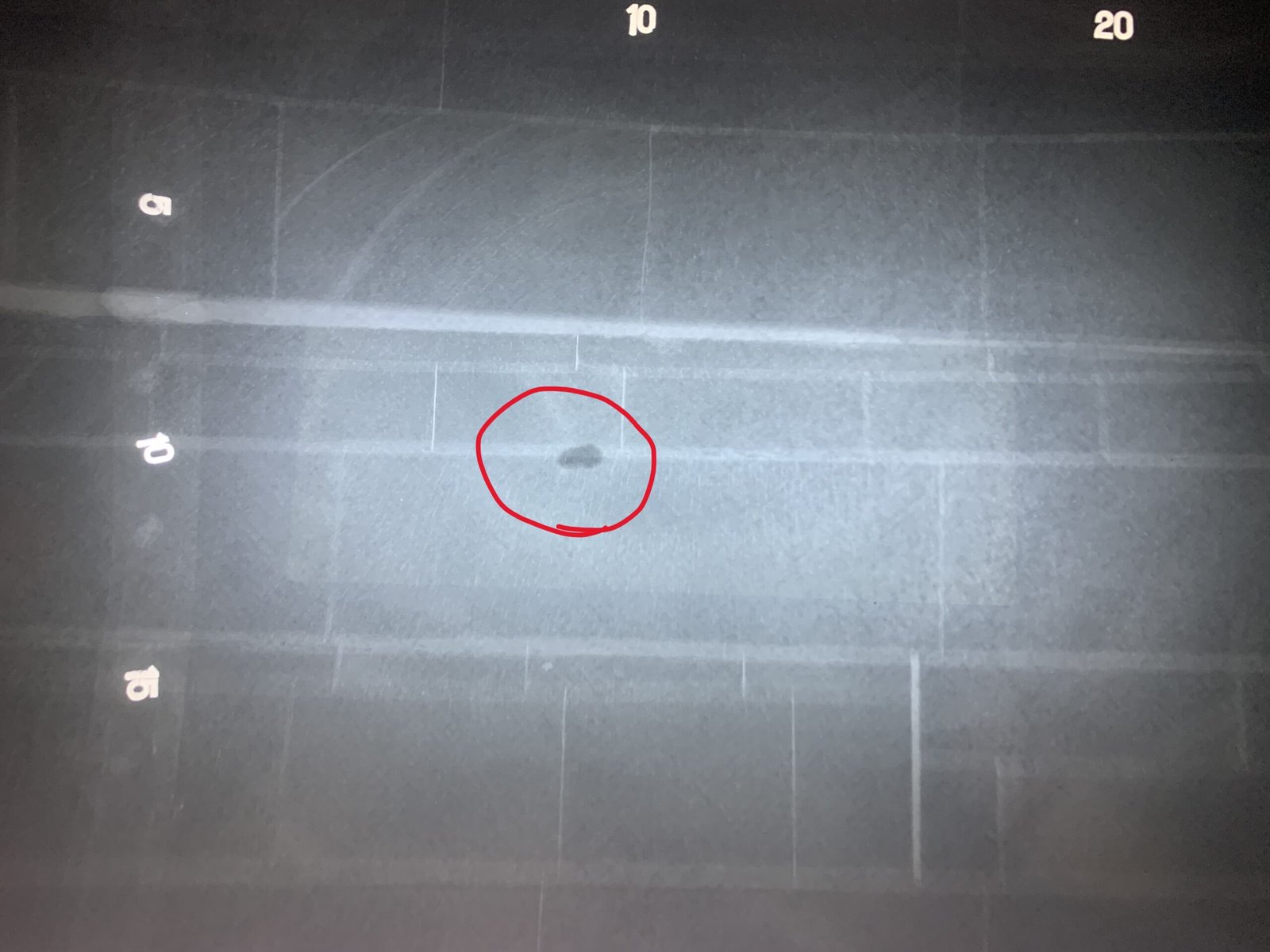
The Result in This Case
At Qualiss, we recently examined a lightning-struck hull using digital radiography. The test revealed an internal void that no surface inspection could have found.
Because the defect was caught early, the repair team was able to target the damaged area and restore strength. As a result, the owner avoided costly trial-and-error repairs and gained confidence that the vessel was truly safe to operate.
Case Study: Lightning Struck Hull
At Qualiss, we recently examined a lightning-struck hull using digital radiography. The test revealed an internal void that no surface inspection could have detected.
Because the defect was caught early, the repair team targeted the damaged area and restored strength. Consequently, the owner avoided costly trial-and-error repairs and gained confidence that the vessel was safe to operate.
“Radiography ensures hidden structural defects in boat hulls are detected, giving confidence in safety and integrity.”
Applications Beyond Lightning Strikes
Radiography is not limited to lightning damage. It is widely used in the marine industry for:
Checking welds on critical fittings and joints
Identifying corrosion in fuel tanks or engine mounts
Detecting delamination in composite structures
Confirming repair integrity before returning a vessel to service
In addition, repeat surveys provide a history of the vessel’s condition, helping owners plan maintenance and schedule repairs before failures occur.
Why Choose Qualiss for Boat Inspections?
- Experienced technicians trained in marine radiography.
- Portable equipment capable of on-site inspections where digital access is limited.
- Permanent film records for confident assessment and reporting.
- Commitment to safety, precision, and reliability.
Conclusion
Lightning strikes can create hidden structural defects in a vessel’s hull, such as internal cracks, voids, or delamination. These flaws are often invisible during a visual inspection, which is why professional Boat Hull Radiography is essential to ensure safety and integrity. For vessel owners seeking guidance on thorough inspections and compliance, the Australian Maritime Safety Authority (AMSA) provides detailed procedures for domestic commercial vessel surveys, helping operators understand best practices for assessing hull condition and maintaining safety. Learn more on AMSA’s official vessel inspection page
Contact Qualiss today for a professional radiographic survey if your boat has suffered a lightning strike, or for peace of mind about hidden damage.
Frequently Asked Questions – Radiography of Boat Hulls
Can lightning damage a hull without leaving visible marks?
Yes. Even if the surface appears intact, internal cracks and voids often remain hidden.
Why not just rely on visual inspection?
Visual checks only reveal surface damage. Therefore, radiography is required to detect internal flaws that threaten safety.
Is radiography safe for composite or aluminium hulls?
Absolutely. RT is non-destructive and does not harm the vessel during testing.
When should I book a radiographic inspection?
As soon as possible after a lightning strike. In addition, it can be valuable before buying a second-hand vessel or after major repairs.